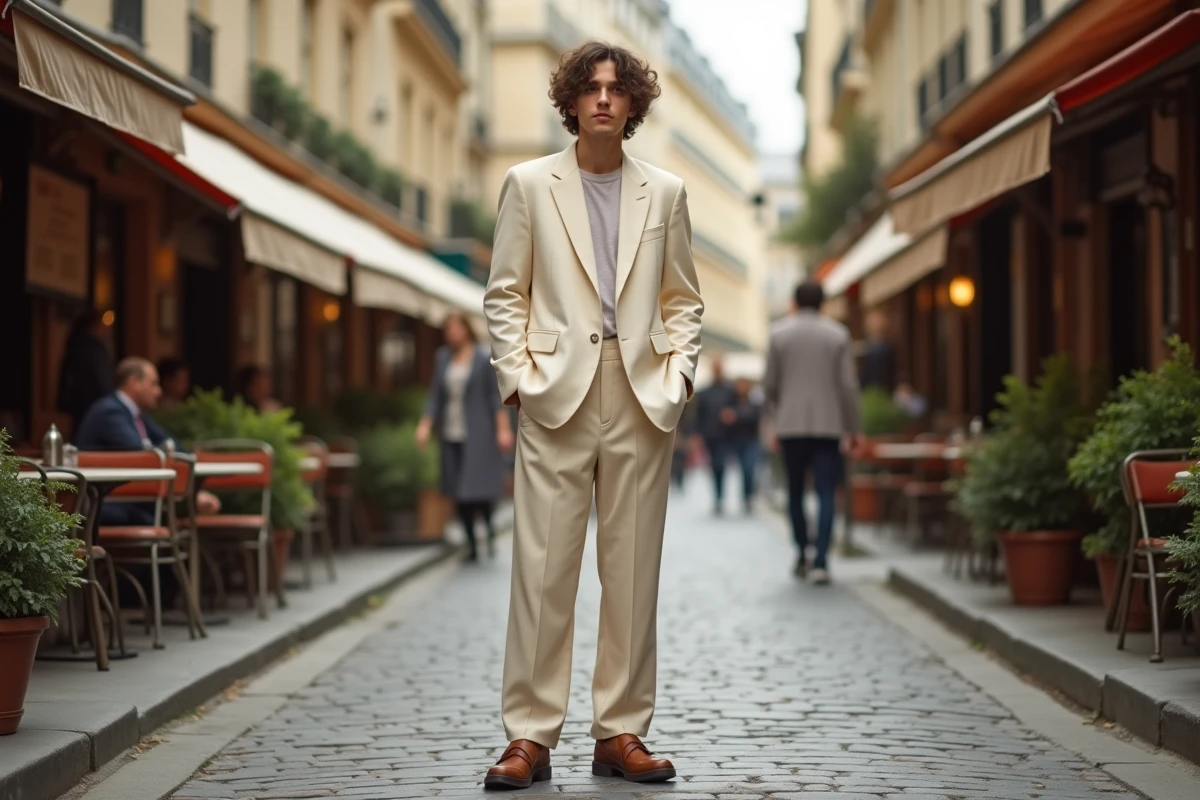
Gender fluid fashion is not just a marketing concept launched by a few designers during Fashion Weeks. It is based on a deeper movement that affects the physical store sections, corporate dress codes, and how online sales platforms categorize their products. The gender fluid style blurs the boundaries between male and female wardrobes, but its concrete adoption still faces technical and commercial barriers that are rarely addressed.
Gender fluid shopping journey: the barrier of e-commerce algorithms
Searching for gender fluid clothing online remains a fragmented experience. Most major e-commerce platforms structure their catalogs around two binary categories, “men” and “women,” right from the homepage. Filters, personalized newsletters, size suggestions: everything leads the buyer back to a gendered wardrobe.
Several UX analyses published since 2023 highlight this gap. Young buyers, who create outfits by picking from both sections, cobble together their own navigation paths. They bypass filters, switch from one universe to another, and compare cuts designed for different body types. This extra research work discourages part of the audience, who end up buying in-store or from niche brands offering a unique catalog.
To navigate this still very segmented offering, Recommandons’ fashion tips help identify suitable pieces without getting lost in the gendered categories of major retailers.
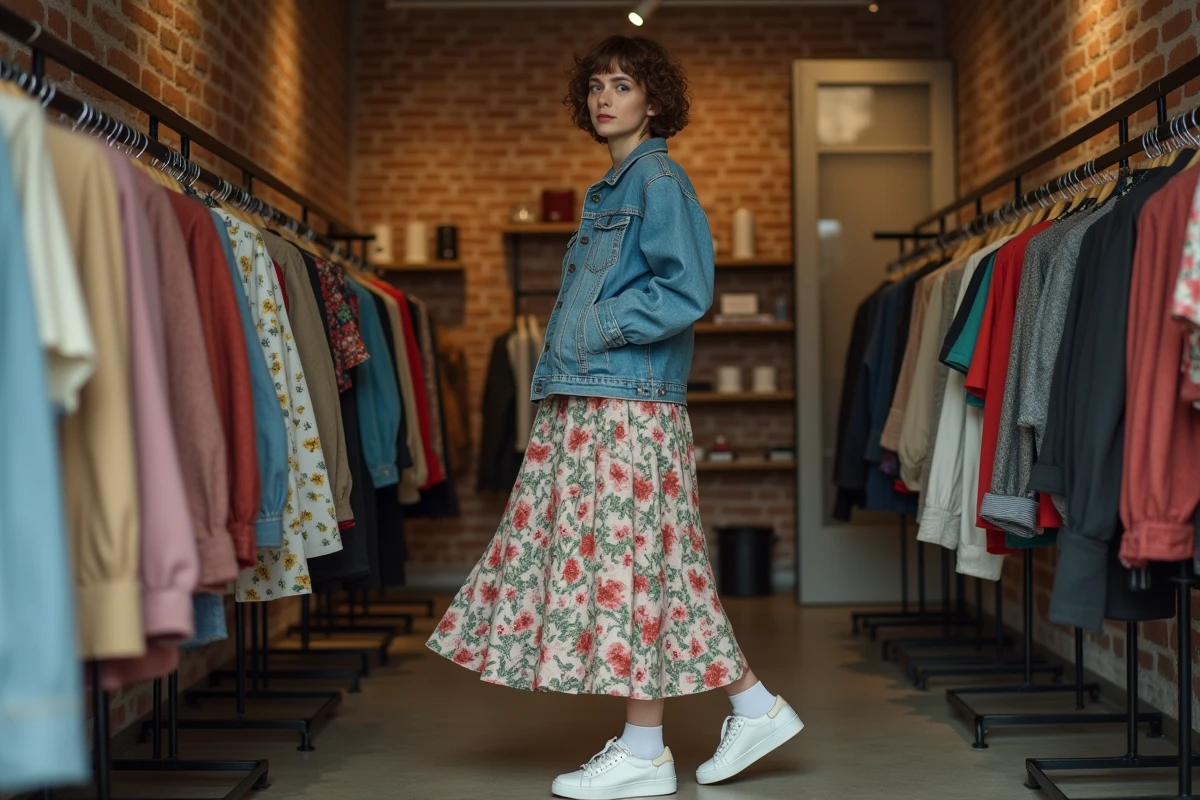
Gender-neutral fitting rooms and mixed sections: what’s changing in stores
Since 2022, several mainstream retailers have taken a step forward by creating explicitly mixed sales spaces. The change is not limited to a label on a rack. It involves merchandising, the layout of fitting rooms, and staff training.
Gender-neutral fitting rooms significantly change the fitting experience. When a customer can try on a skirt, an oversized blazer, or high-waisted pants without changing sections, the psychological barrier falls. Such initiatives have been documented at retailers like H&M, Zara, or Urban Outfitters between 2022 and 2023.
The limitation of these initiatives lies in their geographical distribution. The stores involved are concentrated in major metropolitan areas. Outside of Paris, London, or Berlin, the “gender fluid” section remains rare, if not nonexistent.
Building a gender fluid wardrobe: the pieces that work
Adopting a gender fluid style does not require a complete wardrobe overhaul. A few versatile pieces are enough to create silhouettes that do not conform to a specific dress code.
- The oversized blazer, inherited from the male wardrobe but worn over a dress or fluid pants, serves as a neutral base that anyone can adapt to their body type and mood of the day.
- Wide pleated trousers, made from fluid materials like linen or Tencel, offer a cut that does not emphasize the hips or shoulders and pairs well with both sneakers and loafers.
- Shirts in poplin or lightweight silk, worn open over a t-shirt or buttoned up to the collar, allow for playing on the formal-casual spectrum without falling into a gendered register.
- Accessories (fine jewelry, crossbody bags, wide belts) add a personal dimension to the look without imposing a masculine or feminine reading.
Favoring loose cuts and soft materials facilitates the transition between different styles. A piece that is too fitted confines the silhouette to a code; a straight or slightly oversized cut leaves room for interpretation.

Dress code in the workplace and gender fluid style: where do internal charters stand
The return to the office after the Covid period has prompted several major European and North American companies to update their dress codes. Some HR charters now explicitly outline the right to adopt outfits that do not conform to the assigned gender, provided they respect the level of formality expected for the position.
This evolution remains uneven. In the finance, law, or consulting sectors, suits and ties and tailored outfits remain strong markers. An employee wearing a skirt or a ruffled blouse in these environments still faces comments, even when the internal charter allows it on paper.
Field feedback varies on this point. Some tech or creative companies report a natural adoption of mixed wardrobes. Other organizations, despite having inclusive charters, find that their employees hesitate to take the plunge for fear of colleagues’ or clients’ judgment.
Gender fluid fashion and well-being: a documented but nuanced link
Several recent LGBTQ+ mental health guides emphasize that textile experimentation can serve as a tool for identity reappropriation. Playing with colors, textures, and silhouettes helps some individuals express an identity that the binary wardrobe does not allow them to articulate.
This link between style and well-being does not manifest the same way for everyone. For some, adopting a gender fluid look provides immediate relief. For others, the social pressure related to external perception can negate the psychological benefit of the chosen outfit. The social context weighs as much as the garment itself.
The available data do not allow for a universal conclusion. Clothing remains a means of expression among others, and its impact closely depends on the environment in which it is worn, the support from those around, and the degree of personal comfort with one’s own identity.
Gender fluid style is progressing in store sections, professional wardrobes, and online catalogs, but at very different speeds depending on countries, sectors, and age groups. Fashion has laid the creative foundations since the mixed collections of the mid-2010s. The real challenge today lies in digital interfaces, fitting rooms, and the tacit codes of the office.