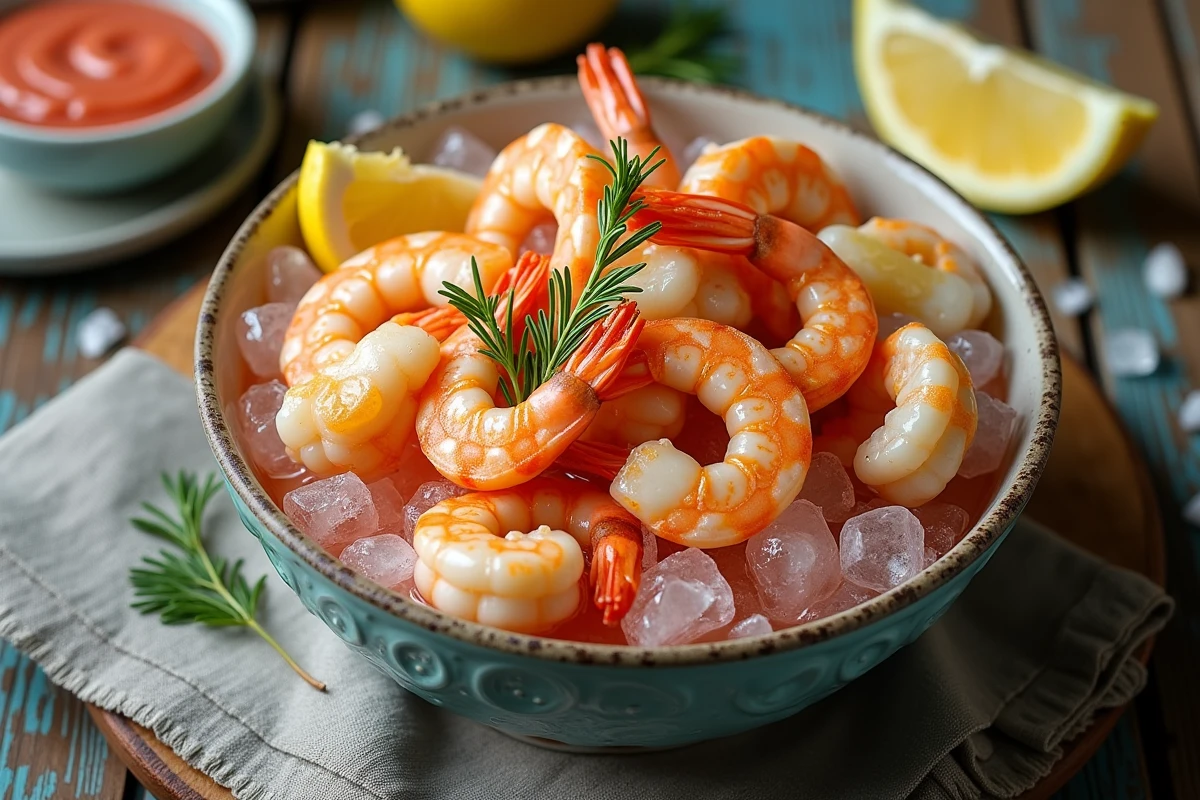
A frozen seafood cocktail typically contains shrimp, shelled mussels, squid rings, and sometimes pieces of octopus. The quality of the final dish depends less on the initial freshness than on two often neglected steps: thawing and managing the water released during cooking.
Slow Thawing of Frozen Seafood: The Game-Changer
The thawing method directly determines the intensity of the dish’s briny flavors. Restaurant professionals report a noticeable improvement in taste when thawing cocktails in the refrigerator for twelve to twenty-four hours, rather than under running water.
Using warm water, still very common, causes a leaching of the marine juices. The flesh swells, absorbs fresh water, and loses its characteristic taste. In the refrigerator, gradual thawing preserves the cellular structure of crustaceans and mollusks.
Once thawed, drain the seafood in a colander for about ten minutes. If you find a good frozen seafood cocktail recipe, you will notice that it always emphasizes this draining step. The liquid collected can be used as a base for a quick fish stock, but it should not end up in the pan with the seafood, as this would cause them to boil instead of sear.
Pan Cooking: Mastering the Water Release of Seafood
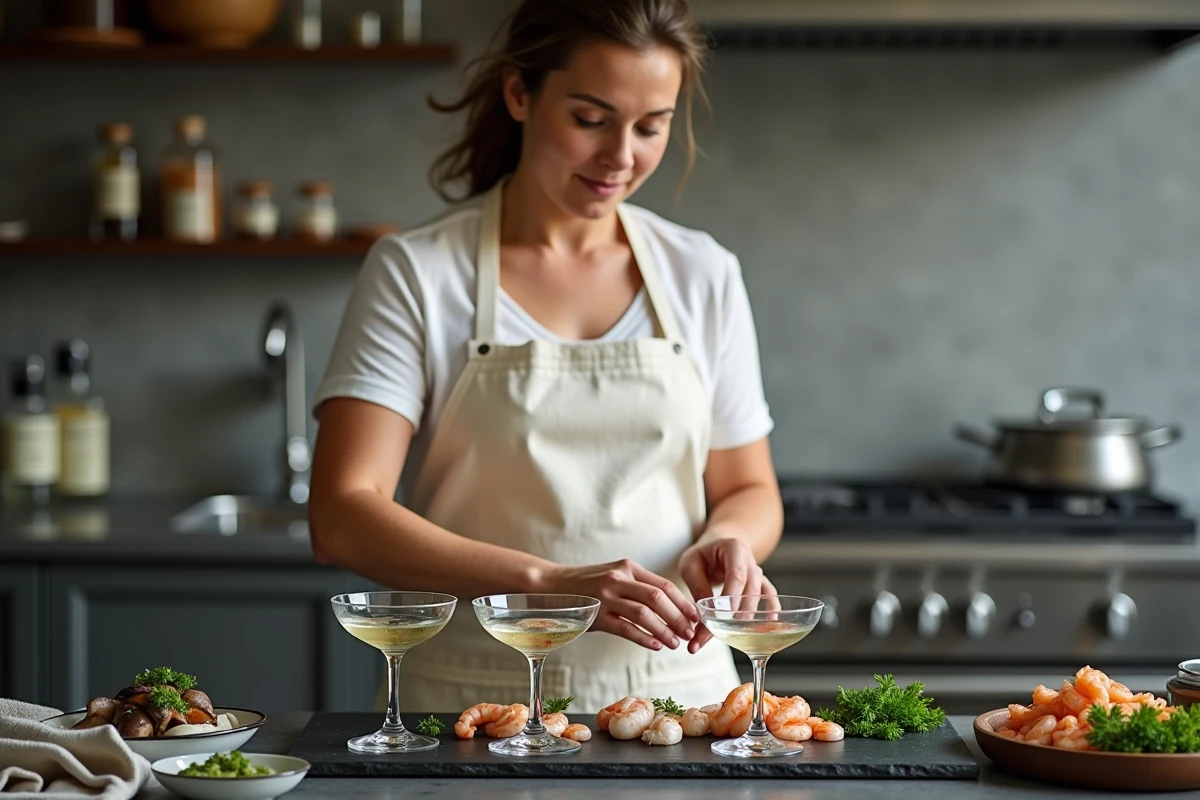
A hot, lightly loaded pan is the basic condition for achieving color on the shrimp and squid. When too many pieces are in the pan at once, the temperature drops, and the water contained in the flesh is released all at once. The result: seafood boiled in their own juice, rubbery and bland.
Sear in Two Batches Instead of One
Divide your cocktail into two batches. Heat a drizzle of olive oil until it shimmers, then place the first half in a single layer. Let it sear without stirring for one to two minutes. The shrimp should turn a nice pink, and the squid rings should take on a slight golden color.
Reserve the first batch and repeat with the second. This simple technique prevents steam buildup and ensures a firm texture without excessive chewiness.
Managing Different Cooking Times
In a frozen cocktail, not all pieces cook at the same speed. Shelled mussels are already cooked when frozen and only need a quick reheating. Shrimp require one to two minutes per side. Squid does not tolerate overcooking well and becomes rubbery after three minutes total.
- Shelled mussels and octopus, already precooked, are added at the end of cooking for a simple thirty-second reheating.
- Shrimp and squid are seared together, as their cooking times are similar.
- Scallops, if included in the mix, should be cooked separately: they deserve individual caramelization to develop their nutty flavor.
Sauce and Seasoning for Seafood Cocktail: The Right Balance
Frozen seafood has a more subtle marine flavor than their fresh counterparts bought in summer. The seasoning should enhance the briny aromas without masking them. An excess of cream or concentrated tomato precisely covers what you want to highlight.
Fresh Tomato Base and White Wine
After reserving your seared seafood, use the same pan to sauté minced garlic and a bit of shallot. Deglazing with dry white wine allows you to recover the cooking juices stuck to the bottom. Then add fresh or canned crushed tomatoes and let reduce for a few minutes.
Add the seafood back into the sauce just before serving, off the heat or on very low heat. They finish cooking in the residual heat without toughening. A drizzle of lemon juice and freshly chopped parsley at the time of plating is enough to elevate the dish.
Creamy Version for a Festive Dish
For a richer result, replace part of the tomato with thick fresh cream. The cream binds well with the reduced white wine and creates a creamy sauce that pairs well with pasta or basmati rice. Use sparingly: two tablespoons for four people is enough to coat without weighing it down.
Choosing a Quality Frozen Seafood Cocktail
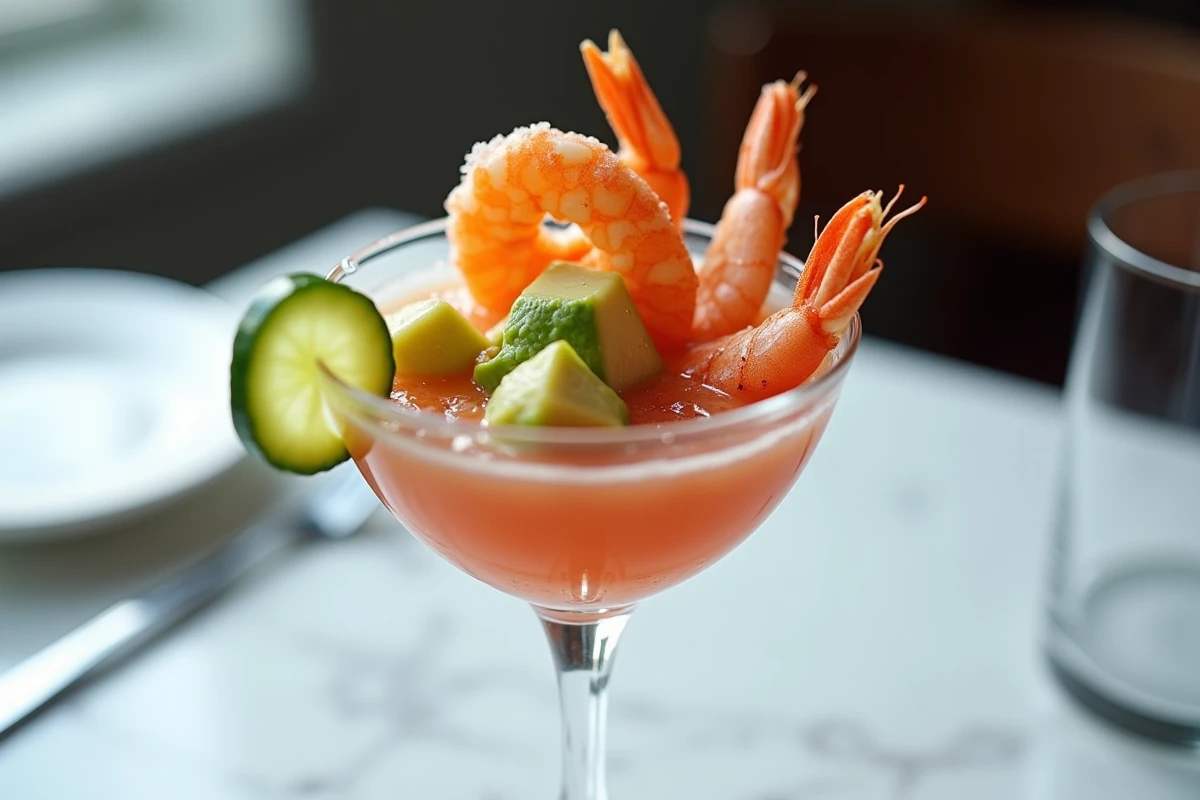
Not all frozen mixes are created equal. The composition varies by brand: some contain a majority of cheap squid, while others offer a balance between shrimp, mussels, and scallops.
- Check the ingredient list: a mix without added phosphates ensures a more natural texture. The European regulation 2024/2878 also mandates a reduction of these additives in frozen products.
- Prefer products bearing the MSC (Marine Stewardship Council) label, which certifies a source from sustainable fisheries. The demand for these traceable mixes has significantly increased in recent years.
- Observe the condition of the bag: excess frost or clumped ice signals a break in the cold chain, synonymous with loss of flavor and degraded texture.
Rapid freezing at sea, practiced by some suppliers, captures the flavors as close to the catch as possible. In cold seasons, these frozen cocktails often retain their flavors better than fresh seafood that has spent several days in transit before reaching the shelf.
The last point to remember concerns the seasoning of the bag itself. Some cocktails are sold with an integrated sauce or a spice mix. Prefer plain versions, which allow you the freedom to build your own sauce and adapt the dish to what you are serving, whether it’s a risotto, pasta, or simply toasted bread with a glass of dry white wine.