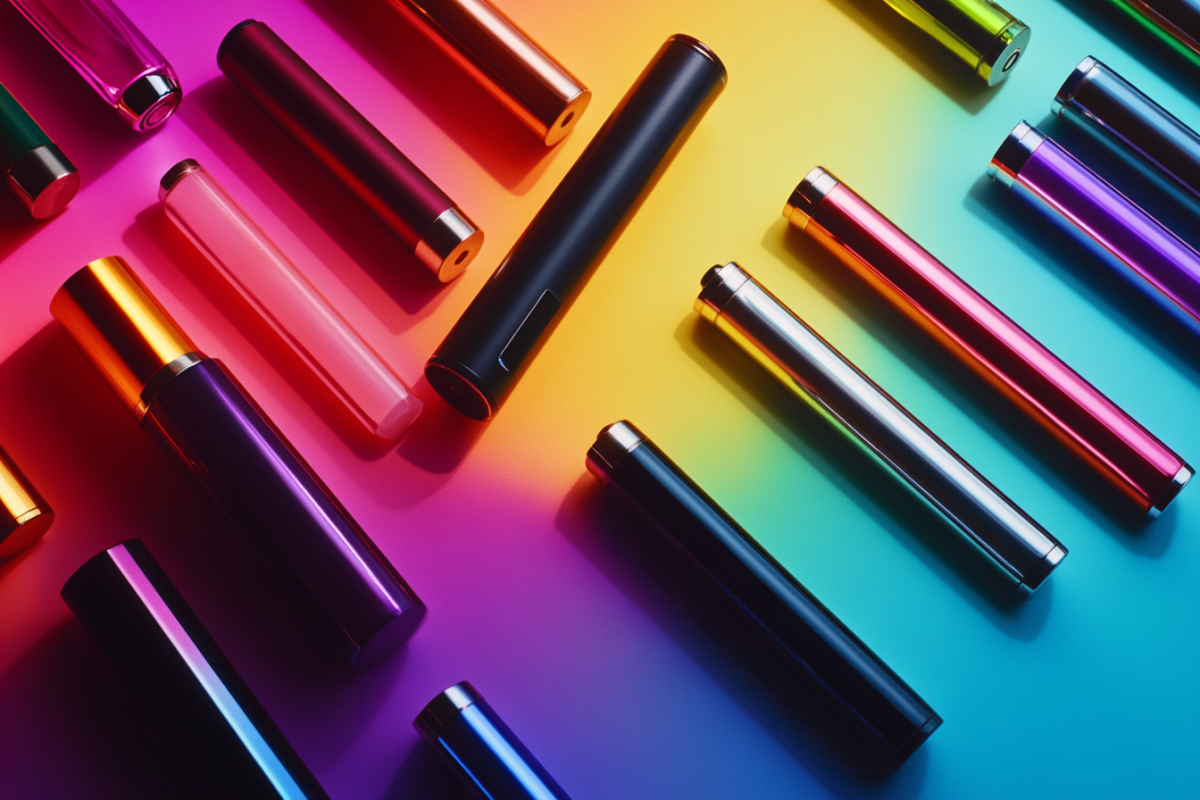
The puffs are invading the pockets of both young and old, presenting themselves as a trendy and seemingly safe alternative to traditional cigarettes. These small disposable devices, which promise a vaping experience without the hassles of tobacco, have become a symbol of this new era of vaping. However, behind their innocent appearance lie numerous health and environmental risks that deserve special attention. As their popularity continues to grow, it is essential to examine the potential dangers associated with these alluring gadgets and fully understand their implications.
A meteoric rise in popularity
The puffs have quickly conquered the market, attracting an ever-widening audience with their appealing design and ease of use.
- Their colorful and attractive appearance particularly appeals to young people, enticing a new generation to smoke.
- A wide variety of flavors are available, ranging from exotic fruits to indulgent desserts, making the vaping experience more enjoyable than with a traditional cigarette.
- Their affordable price and disposable nature make them an accessible and convenient option, avoiding the financial commitment of a complete vaping kit.
Health impacts
Although they are often presented as a less harmful alternative, puffs are not without dangers to health.
First, the chemicals present in e-liquids can have harmful effects on the human body. Experts agree that inhaling these substances poses risks to the respiratory system, potentially causing inflammation and lung irritation. Next, the high concentration of nicotine found in many puffs promotes addiction and can have serious repercussions on the cardiovascular system, increasing the risk of heart disease. Finally, although research is still ongoing, some scientists express concerns about the long-term effects of using these devices, highlighting the lack of concrete data on the potential consequences of prolonged exposure to vapor.
Worrying environmental implications
The disposable nature and popularity of puffs lead to significant environmental challenges.
- The devices are often made from non-recyclable plastics, contributing to the growing plastic pollution.
- The integrated lithium-ion batteries, if not disposed of properly, can harm the environment by releasing heavy metals into the soil and water.
- With the increase in electronic waste, recycling infrastructures struggle to keep up, exacerbating an already existing problem.
Unclear legislation
In many countries, legislation regarding puffs is not yet well established, posing additional challenges.
Regulatory gaps allow for aggressive marketing that often targets minors. The lack of clear standards on the composition of e-liquids makes it difficult for health authorities to control the quality and safety of products on the market. Attempts at regulation face obstacles, particularly from lobbying by major companies in the sector seeking to influence political decisions. Without a strict legal framework, consumer protection and the reduction of risks associated with the use of these products remain limited.
As the puff continues to entice with its modern look and promises of simplified vaping, it is crucial not to underestimate the risks it entails. Vigilance and information are essential to contain their potential impacts. By encouraging a thorough reflection on their use, it becomes possible to adopt a more responsible approach to this rising trend. Prevention and education can play a crucial role in mitigating harmful effects and protecting future generations from practices that could compromise their health and environment in the long term.