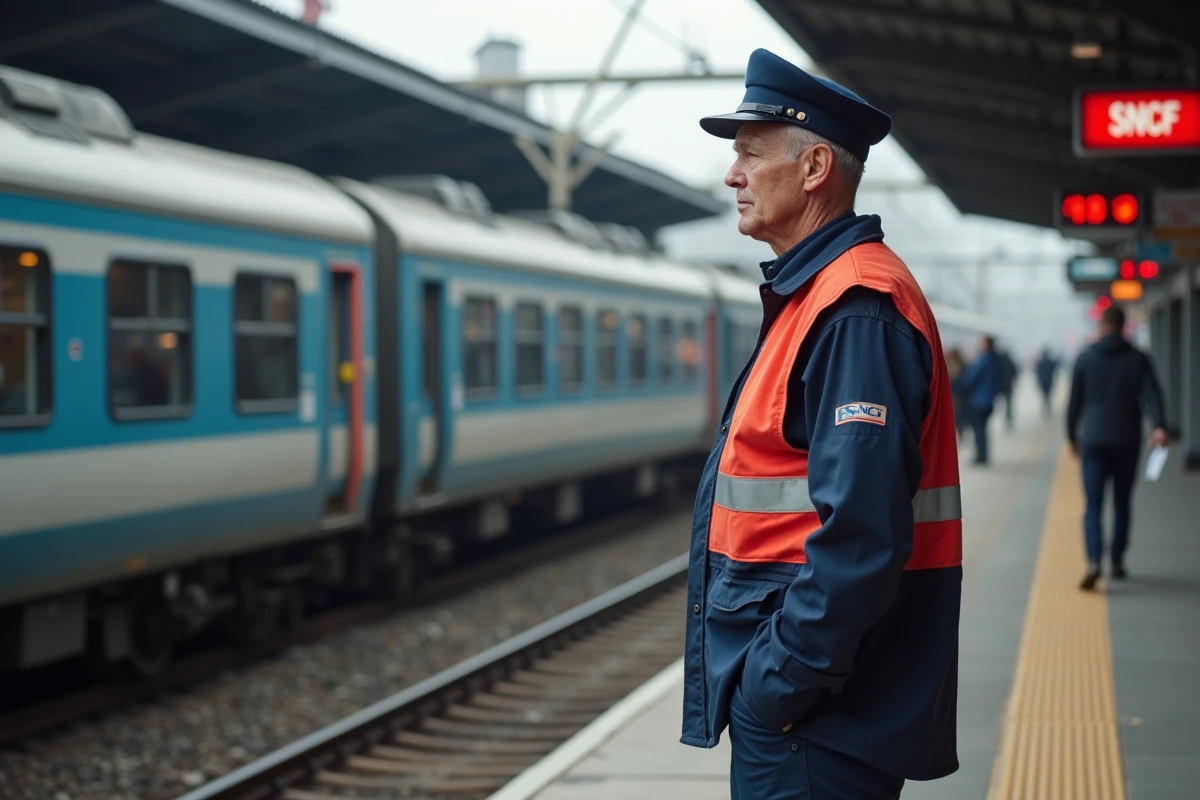
At SNCF, the numbers are anything but abstract: every year, the wave of retirements exceeds projections and leaves behind difficult-to-fill gaps. Technical jobs, which are at the heart of the rail system, show vacant positions at a rate much higher than the national average. Internal training programs, no matter how developed, are no longer sufficient to reverse the trend.
Multiplying temporary missions or resorting to subcontracting does not alleviate the glaring labor shortage in certain key functions. Even junior profiles, once recruited without delay, now see processes stretching out, despite massive hiring campaigns and benefits that used to be considered benchmarks.
The deep roots of recruitment tensions at SNCF
SNCF has embarked on a profound transformation. The year 2023 bears witness to this: over 8,000 unfilled positions, lines desperately seeking their agents. Retirements are multiplying, and the competition for every talent ignites the entire rail sector. The model, long reputed to be solid, is wavering under the weight of these upheavals.
Since the end of the railway worker status in 2020 (Pacte ferroviaire law), the group’s attractiveness has evolved. Permanent contracts persist, but historical benefits are gradually disappearing. The opening of the market fuels competition and forces SNCF to rethink its approach to attracting and integrating talent. The spirit of public service, which has driven vocations, seems to be dulled as the conditions of engagement lose their luster.
To concretely understand this turning point, the challenges of recruitment at SNCF are analyzed in depth. With its 276,000 employees in 120 countries, SNCF must juggle between retention, integration, and adaptation to increasingly specialized roles. Internal training may be robust, but the pressure on staffing persists.
Here are the elements contributing to the current shortage:
- A saturated and competitive job market
- The removal of the railway worker status
- The arrival of new competitors in rail
- Massive waves of retirements
The organization around poles (passengers, logistics, infrastructure) no longer prevents departures. The transmission of knowledge, proactive skills management, and the search for meaning in work are now priorities to preserve the future of the rail collective.
What concrete challenges to attract and retain rail talent?
SNCF faces a dual challenge: attracting but also retaining those who keep the rail running. Whether it’s drivers, maintenance technicians, or controllers, recruitment imposes a series of requirements. Rigorous psychotechnical tests, medical examinations, high expectations, and now, an expanded pool by accepting candidates without diplomas to diversify profiles.
In daily life, the constraints of the job impose themselves on newcomers:
- Extensible and changing hours
- Geographical mobility often imposed
- Frequent on-call periods depending on network needs
In large cities, these conditions make retention challenging. To expand its ranks, SNCF heavily invests in apprenticeships and vocational training. Each hire benefits from personalized support, allowing for genuine skill development, whether for young people or candidates in career transition.
Opportunities for advancement do indeed exist: 70% of Transilien managers started in the field before climbing the ranks. However, this internal mobility remains little visible externally. On a daily basis, SNCF also facilitates access to housing near technical centers and stations in the Île-de-France region to remove logistical barriers.
The recruitment process generally follows these steps:
- Online application submission and pre-selection based on the application
- Taking tests and individual interviews
- Medical examination
- Initial training and integration period
Other angles are being developed to modernize the image of the sector: increasing the number of women in teams, equality policies, active partnerships with high schools and the CCI Paris Île-de-France. The future of SNCF jobs will depend on an equation between demands, recognition, and real career trajectories.

Towards new solutions: avenues and initiatives to address the crisis
Faced with the shortage, SNCF embraces social innovation and partners with new organizations to enrich its ranks. France Travail, CCI Paris Île-de-France, vocational high schools, and Second Chance Schools are multiplying pathways to the rail sector. The idea: broaden recruitment, break the codes, and offer everyone the opportunity to engage in rail service.
Vocational training is being revamped: free, paid, and adjusted to meet new needs. Becoming a driver, technician, or customer relations officer now involves personalized programs tailored to each profile. Apprenticeships are positioned as a key solution, both for young volunteers and adults determined to change paths.
Internal mobility is gaining visibility, acquired experience is valued, and team engagement becomes a key asset. SNCF is also accelerating its efforts on gender diversity, multiplying campaigns, and organizing forums. Digital tools, such as Exam Arena, modernize recruitment and streamline the candidate journey.
Currently, several axes structure these initiatives:
- Opening training to all qualification levels
- Developing new educational and social partnerships
- Increased support for energy transition and technological modernization
SNCF is no longer standing still in the face of difficulty: it invents, tests, and adjusts to maintain its recruitment momentum. Missing the departure is not an option: the future is played out on these new tracks, where every will can influence the collective trajectory.