
A dog does not sweat like a human; it regulates its temperature mainly through its mouth and paw pads. Cats, on the other hand, can develop deep anxiety if their environment changes suddenly, well before physical signs appear. Some pet birds have a longer lifespan than many mammals, provided they receive appropriate and consistent care.
Diet, hygiene, socialization, and disease prevention depend on specific requirements for each species. Ignoring these differences exposes animals to avoidable risks to their health and well-being.
Think carefully before welcoming an animal: essential questions to ask yourself
Adopting an animal is never just about giving in to a momentary desire. It is a commitment for years, sometimes for a lifetime. Behind every adoption, there are choices that require reflection, organization, and honesty with oneself. The presence of a dog, cat, or another companion will disrupt daily life: schedules, habits, priorities—all change. You need to assess the time you actually have available, as each species requires different attention. A dog expects several outings a day; a cat, on the other hand, will feel better in an enriched, secure environment where it can explore at its own pace. Domestic carnivores, very common in French households, reveal varying needs depending on their breed, age, and history.
Before you dive in, ask yourself some frank and concrete questions that outline the reality of life with an animal:
- What space can you offer to ensure its comfort and safety?
- Who will take over to care for it if you need to leave or in case of unforeseen events?
- What budget can you allocate each month for health, food, accessories, and veterinary care?
- Will your lifestyle and surroundings allow for a harmonious integration of this newcomer?
Your answers will make all the difference in the quality of the bond to come. To deepen your preparation, rely on trustworthy resources like espace-animaux.net: expert advice, feedback, species sheets—everything is there to anticipate unforeseen events and better understand what awaits you. Adopting means disrupting the household’s balance: one must neither minimize the commitment nor idealize the relationship. Caring means first looking things in the face, with clarity and kindness.
Creating a suitable environment for your companion’s well-being
Ensuring an animal’s comfort and safety means focusing on details that make a difference in daily life. A well-thought-out space is the foundation of a serene life. For a dog, provide multiple resting spots and ensure easy access to the outside, even if it simply means regular walks. Cats, on the other hand, need height: install cat trees, create hiding spots, and offer them elevated observation points, as they like to control their territory while staying away from the hustle and bustle.
Hydration is often overlooked: fresh water, changed daily, makes all the difference for their health. Food must also be appropriate, served at regular times to reassure and limit anxiety. For cats, a clean litter box, placed in a quiet area away from high-traffic spots, helps avoid many cleanliness and stress issues.
Here are some concrete elements to integrate into your animal’s environment:
- Objects for entertainment: varied toys, interactive food dispensers that stimulate intelligence.
- Rest areas: beds, cushions, blankets that are changed regularly for authentic relaxation moments.
- Protected zones: barriers, nets to secure balconies or windows, essential to prevent accidents.
A rich environment shapes your animal’s psychological balance. A surrounded dog, a cat that can explore, become calmer and less prone to boredom or behavioral issues. Offer them varied textures, secret corners, and objects to explore: this daily attention creates a fulfilling living environment where every detail counts.
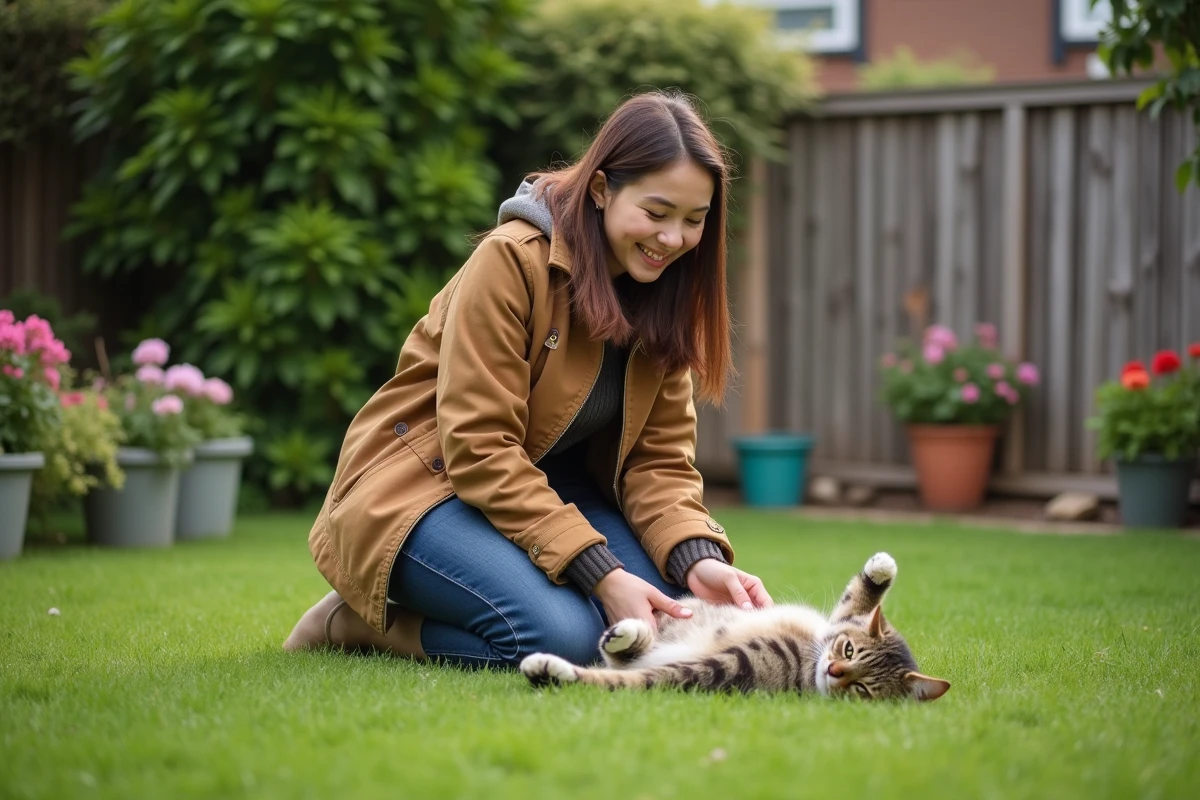
What daily care to ensure your animal’s health and well-being?
Living with an animal means observing, anticipating, and acting tirelessly. A slightly dull gaze, a coat losing its shine, a change in eating habits: every detail tells its health story. Caring for it involves hygiene: regular brushing, monitoring the ears, cleaning the teeth. These simple gestures prevent many problems, especially in dogs and cats whose needs vary with age and breed.
Three major areas emerge to meet their fundamental needs:
- Balanced diet: choose food suitable for age, weight, and activity level. Consult the veterinarian to find the ideal ration and adjust if necessary.
- Physical activity: for dogs, each outing structures the day and strengthens the bond. Indoor cats thrive through play, scratching posts, and climbing courses.
- Prevention: parasite treatment, vaccinations, regular health check-ups. Following a precise schedule can avoid many hassles and allow for action before problems worsen.
Stay attentive: a companion that changes behavior, vocalizes, or isolates itself alerts you to discomfort. Observe, communicate, and establish reassuring routines. For dogs, consistency and gentleness in training are essential: praise, encourage, and banish any harshness. With cats, let them come to you and respect their pace, without forcing contact. At the slightest concern, make an appointment with the veterinarian: a quick intervention can sometimes preserve years of companionship.
A fulfilled animal is first and foremost one whose small signs are noticed, whose silent language is understood. It is these repeated gestures, these discreet attentions, that write the most beautiful shared stories.