An apartment rated F or G on its energy performance certificate, heating bills that climb every winter, faulty ventilation that encourages damp: eco-friendly renovation often starts with a practical problem, not a desire to go green.
Making your home healthier and more energy-efficient means making the right technical choices in the right order, using materials whose environmental and health impacts have been assessed. The challenge is greater when the most decisive work is outside your control, particularly in a condominium.
Eco-friendly renovation in a condominium: what to do when you’re not the only decision-maker
Eco-friendly renovation is often thought of as an individual project: replacing windows, installing bio-based insulation in the attic, or changing the boiler. In a detached house, the owner makes the decisions alone. In a condominium, things are different.
External wall insulation, roof repairs, and replacing a shared heating system all involve common areas. Yet these measures account for a large share of a home’s energy performance. Work carried out in an individual unit may not be enough to improve its energy performance rating if the building envelope remains inefficient.
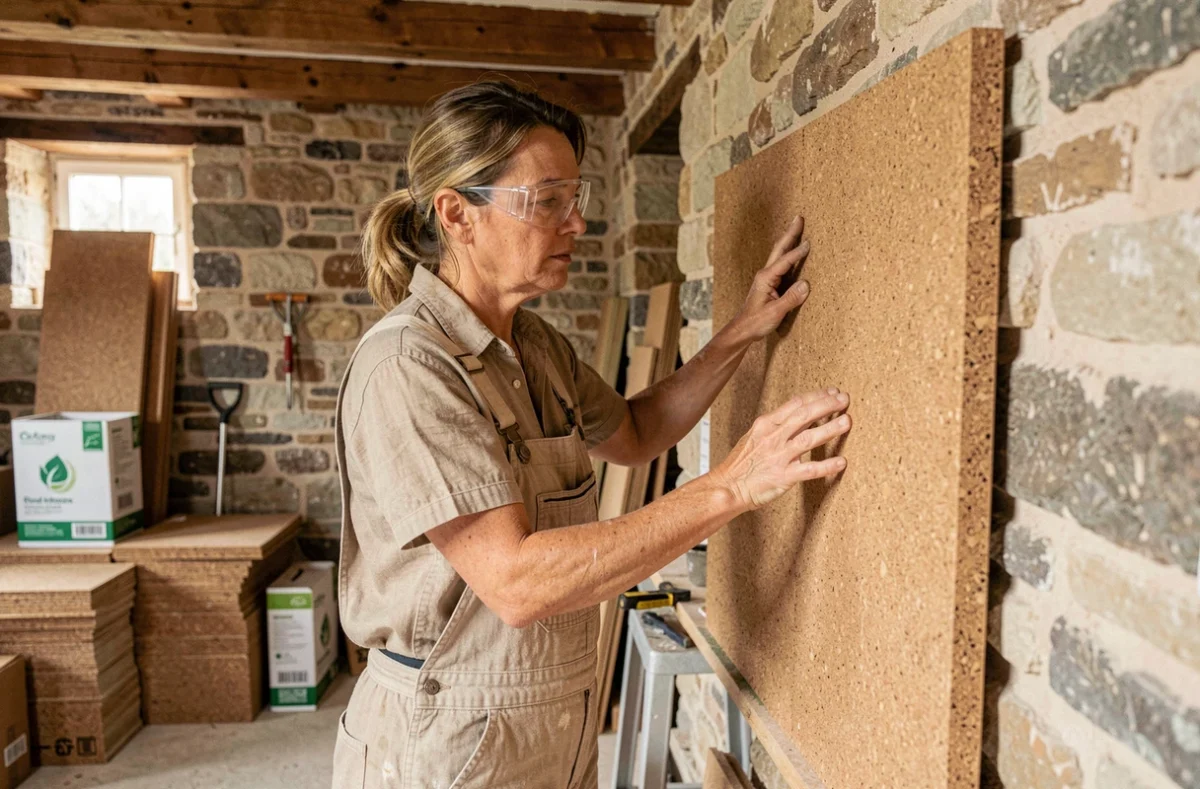
In practical terms, an owner can insulate their walls from the inside, install a heat-recovery ventilation system in their unit, or replace their windows. These improvements boost comfort and indoor air quality. But they do not address structural thermal bridges or heat loss through the roof, which require a vote at the general meeting.
To move things forward, you can request a comprehensive energy audit of the condominium. This document provides a technical basis for voting on the work. Some financial assistance schemes are specifically aimed at condominiums, which can help overcome other owners’ budget concerns. Specialist resources on sustainable renovation, such as https://www.lamaisondurable.com, can help identify suitable material suppliers and project structures for these shared-property arrangements.
Insulation and bio-based materials: balancing thermal performance and air quality
Choosing insulation is about more than its thermal resistance. In eco-friendly renovation, its impact on indoor air quality also matters. Some conventional insulation materials (mineral wool with formaldehyde binders, polyurethane foam) release volatile organic compounds that can degrade indoor air for months after installation.
Bio-based materials offer a credible alternative:
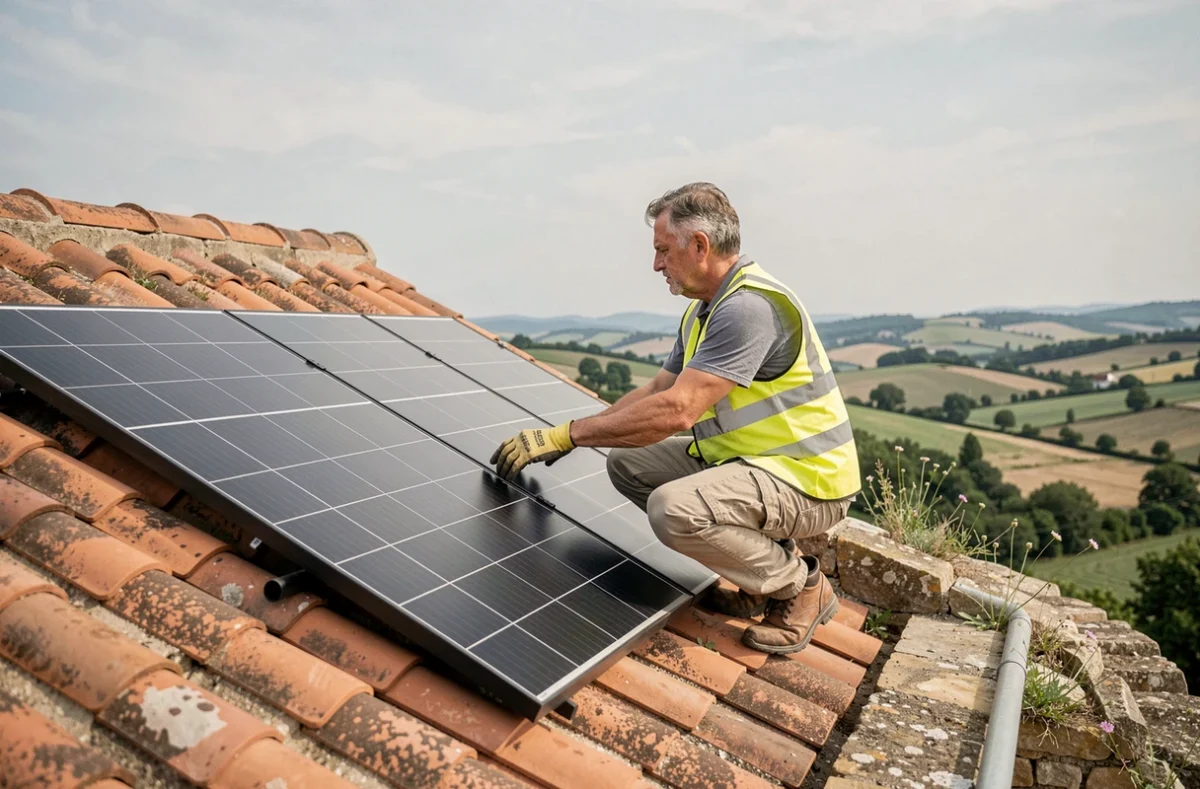
- Wood fibre, available in rigid boards or loose fill, combines good thermal lag (for summer comfort) with low indoor pollutant emissions.
- Cellulose insulation, made from recycled paper, has a very low carbon footprint during manufacturing and can be blown into attics or wall cavities.
- Hemp, grown without pesticides, naturally regulates moisture in walls, helping to limit the risk of mould.
Combining bio-based insulation with effective ventilation delivers the clearest improvements in air quality. Insulating without adequate ventilation traps moisture and pollutants inside a more tightly sealed space.
Mechanical ventilation: the often-overlooked upgrade
We renovate the walls, replace the windows, and forget to rethink the ventilation. A Type B humidity-controlled single-flow mechanical ventilation system is the minimum. For an ambitious eco-friendly renovation project, a heat-recovery ventilation system recovers heat from the extracted air and preconditions incoming fresh air, reducing heating consumption while ensuring adequate air exchange.
Low-carbon heating and hot water: the upgrades that make a difference to energy bills
After insulation, replacing the heating system is the measure that delivers the most noticeable energy savings. The right choice depends on the current fuel, the area to be heated, and the level of insulation achieved after the work.
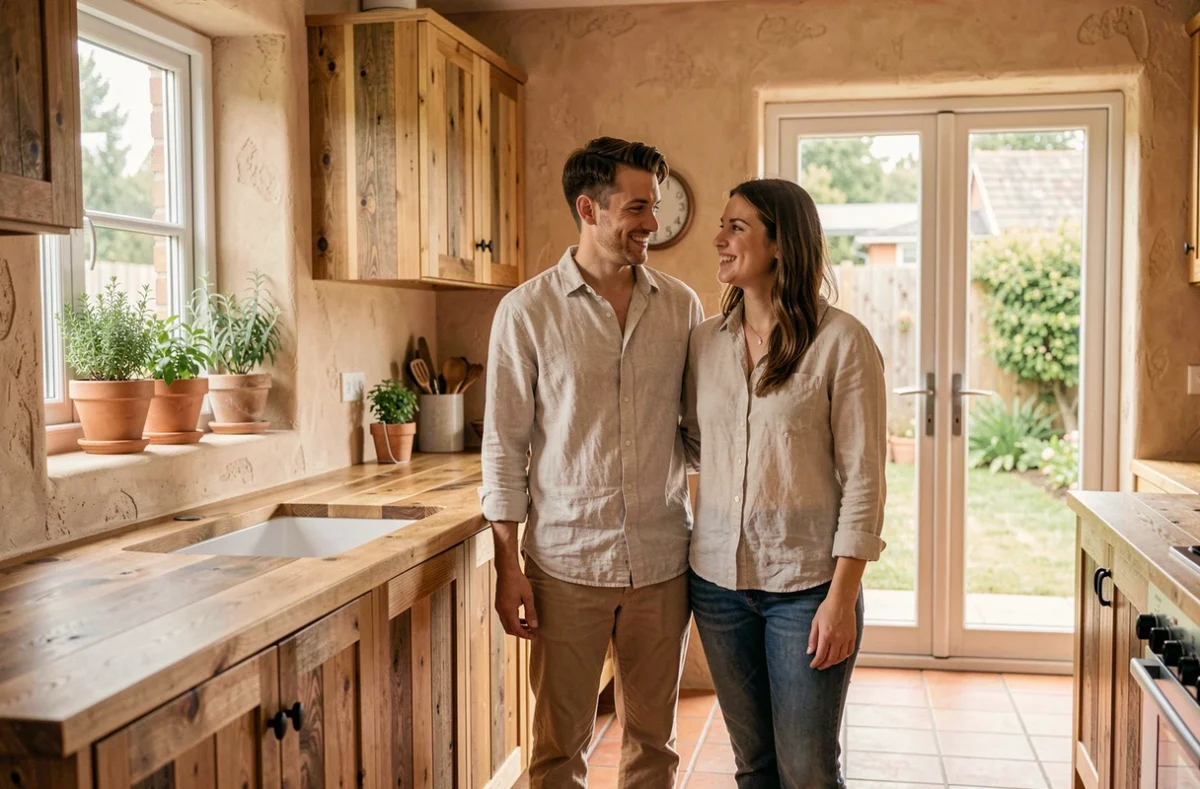
An air-to-water heat pump can replace an oil or gas boiler without changing the existing radiator network. Its coefficient of performance means it can deliver several units of heat for every unit of electricity consumed. However, actual efficiency varies with the outdoor temperature: in areas where winter temperatures regularly fall below -5 °C, supplementary heating may be needed, changing the cost calculation.
A heat-pump water heater uses the same principle to produce domestic hot water. It consumes significantly less energy than a conventional electric water heater and can be installed in an unheated space, such as a garage or utility room.
Wood or pellet stove: supplementary or primary heating
Combined with a heat pump, an efficient pellet stove can cover cold snaps without relying on electric backup heating. In a modest-sized, well-insulated home, it can serve as the primary heating system.
Energy renovation grants: check the changing rules before signing
Public renovation grants were highly unstable in 2025, with MaPrimeRénov’ suspended for several months before reopening under stricter conditions. This interruption undermined the confidence of households that had already committed to a project. Approval for a grant does not guarantee that the work will be funded within the expected timeframe.
Before signing a quote, check three things:
- The scheme you’re applying for is still accepting applications (check the official Anah website, not a commercial intermediary).
- The contractor is RGE-certified (Reconnu Garant de l’Environnement), a mandatory requirement for almost all grants.
- The estimated grant amount matches the rates in force when you apply, not those quoted when you first received an estimate.
Coordination between trades remains a documented obstacle in whole-home renovation projects. Insulation, ventilation, and heating all interact: carrying out the work in the wrong order can cancel out some of the expected gains. Using a Rénov’ advisor (the Mon Accompagnateur Rénov’ scheme) can help organize the project schedule and secure the financing plan.
Eco-friendly renovation delivers the best results when it treats the home as a system, rather than a collection of isolated improvements. Insulation, ventilation, heating, and indoor air quality are interconnected, with each affecting the others. In a condominium, this systems-based approach means persuading people beyond your own unit—a challenge that remains the most common stumbling block.