
Atopic eczema is a chronic inflammatory skin condition characterized by flare-ups of red, itchy patches that may sometimes ooze. Among the factors that sustain or worsen these flare-ups, nutritional status plays a frequently underestimated role. Certain deficiencies in vitamins, fatty acids or trace elements directly weaken the skin barrier, the protective tissue that helps the skin withstand external aggressors.
The skin barrier and micronutrients: understanding the mechanism
The outermost layer of the skin, the epidermis, is constantly renewing itself. This process of epidermal differentiation requires specific resources: fatty acids to form the lipid cement between cells, zinc for cell division, and vitamins to regulate local inflammation.
When any of these nutrients is lacking, the skin barrier loses cohesion. Water evaporates more easily (a process known as transepidermal water loss), irritants and allergens penetrate deeper, and the inflammatory response spirals out of control. For someone already predisposed to atopic dermatitis, this vicious cycle can turn a moderate flare-up into a prolonged episode.
The link between eczema and nutritional deficiencies is based on this principle: skin that is poorly nourished from within is less resilient, even when topical treatments are used as directed.
Vitamin D and atopic eczema: a common deficiency, but benefits need perspective
Vitamin D helps regulate the skin’s immune system and supports the production of antimicrobial peptides that protect the skin against infections (particularly Staphylococcus aureus, which is often involved in secondary eczema infections). Vitamin D deficiency is frequently observed in people with atopic dermatitis.
However, correcting a deficiency does not mean curing eczema. The American Academy of Dermatology’s 2023 recommendations conditionally advise against vitamin D supplementation as a strategy for preventing atopic dermatitis in children. The distinction is clear: treating a deficiency confirmed by a blood test is standard medical care, but taking supplements without a confirmed deficiency has not been shown to reliably improve skin symptoms.
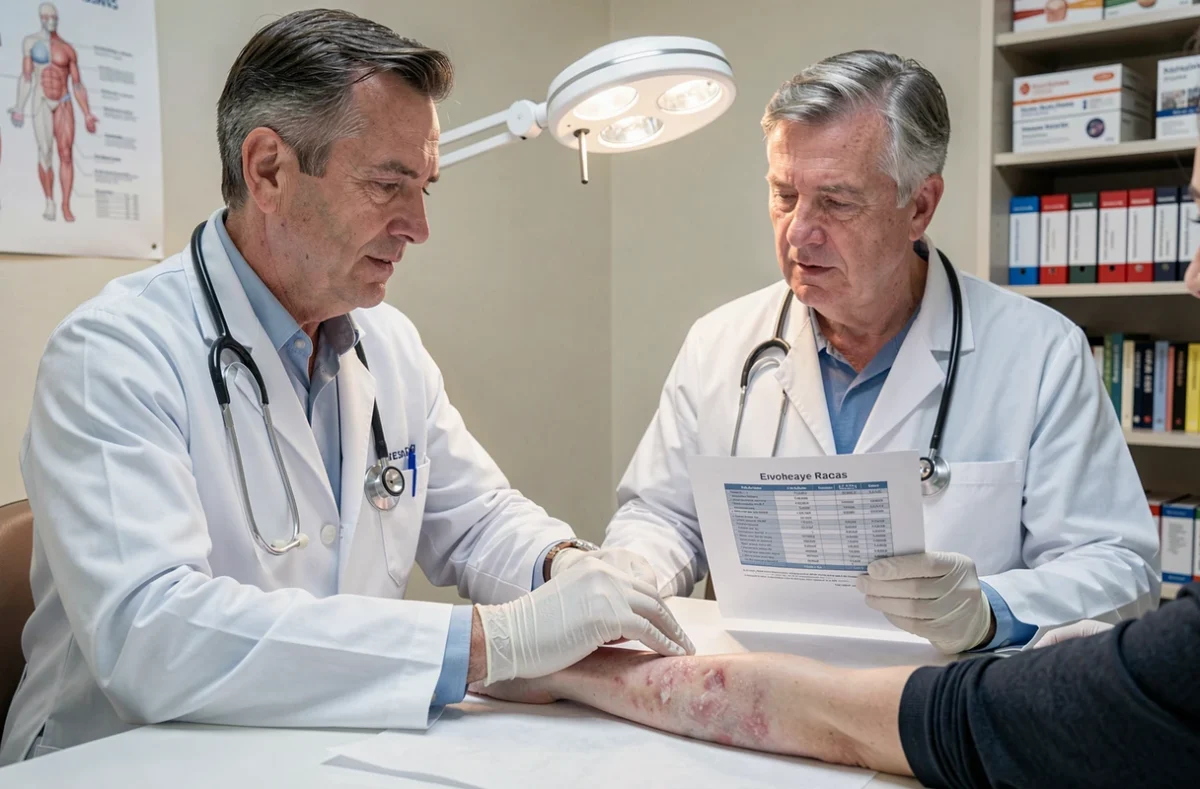
In practice, a vitamin D blood test is worth considering for anyone whose eczema does not respond to usual treatments, particularly at the end of winter, after several months of limited sun exposure.
Zinc, omega-3s and fatty acids: deficiencies that weaken the skin’s protective barrier
Zinc is a cofactor for hundreds of enzymes involved in tissue repair and the immune response. Inadequate zinc intake can lead to slower wound healing, dry skin and increased susceptibility to skin infections. This deficiency deserves particular attention in children with atopic dermatitis, as zinc requirements increase during periods of rapid growth.
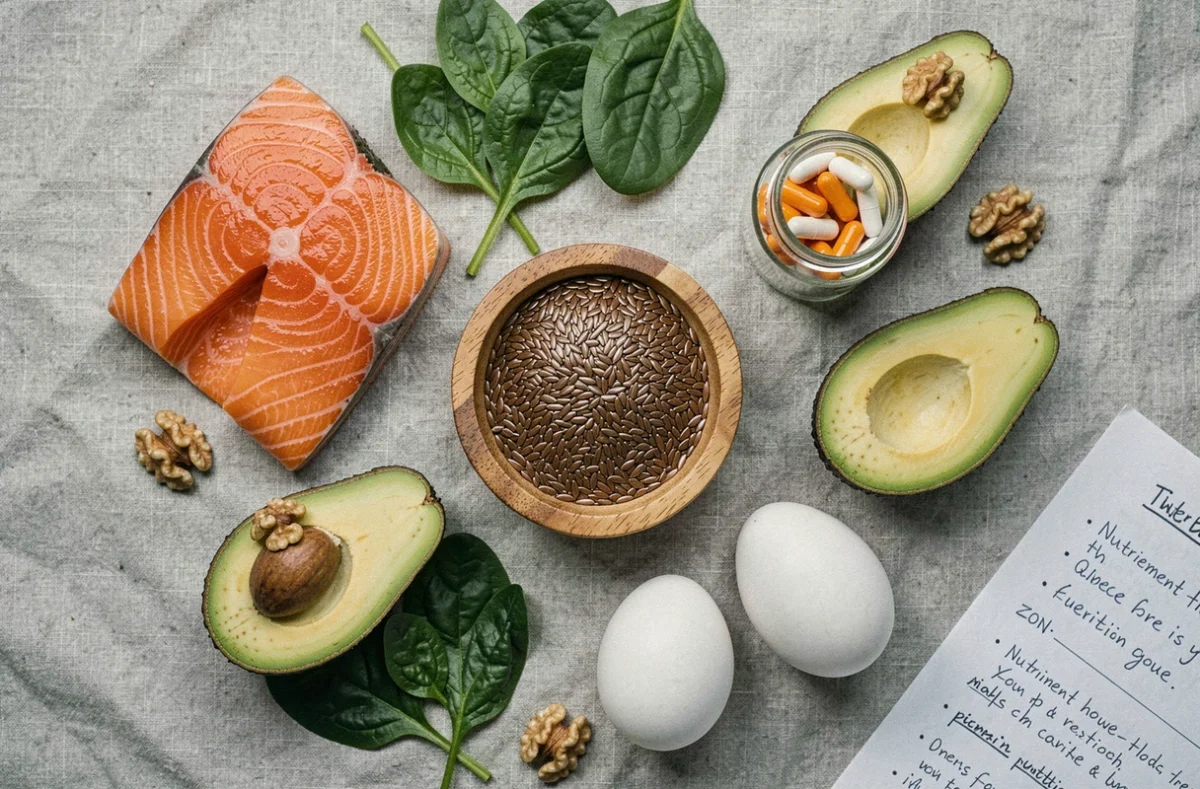
Long-chain omega-3 fatty acids, found in oily fish, contribute to the production of anti-inflammatory mediators. An imbalance in the omega-6/omega-3 ratio, typical of the modern Western diet, promotes chronic inflammation. In the context of eczema, this imbalance does not cause the condition, but it can contribute to the severity and duration of flare-ups.
Food sources to prioritize for these two nutrients:
- Zinc: seafood (especially oysters), red meat, pumpkin seeds and legumes. Zinc from plant foods is less readily absorbed because of phytates, making animal sources more bioavailable.
- Long-chain omega-3s: sardines, mackerel, herring and salmon. Plant sources (flaxseed, walnuts and chia) provide ALA, a precursor that most people convert only in small amounts into active long-chain forms.
- Essential omega-6 fatty acids (linoleic acid): sunflower oil and grapeseed oil. Paradoxically, excess pro-inflammatory omega-6s can sometimes coexist with a functional linoleic acid deficiency in people with atopic dermatitis whose enzyme conversion is impaired.
Probiotics and the gut-skin axis: results depend on the strains
The gut ecosystem influences the systemic immune response and, in turn, the skin. This concept of the gut-skin axis has prompted extensive research into probiotics for atopic dermatitis. Available findings are highly variable: benefits depend on the bacterial strains used, the patient’s age and when the probiotics are taken.
For people who already have eczema, the clinical benefits of probiotics are considered limited and are not always statistically significant. The American Academy of Dermatology’s 2023 recommendations conditionally advise against probiotic supplementation to prevent atopic dermatitis in children, as they do for vitamin D.
This does not mean gut health is unimportant. A varied diet rich in fermentable fiber (vegetables, fruit and legumes) nourishes the microbiome more consistently than a single supplement. A diverse gut microbiome supports immune tolerance better than a single strain in a capsule.
Anti-inflammatory diet and eczema: practical steps that can make a difference
Correcting specific deficiencies is not enough if the overall diet remains pro-inflammatory. Several food categories warrant particular attention:
- High-glycemic-index foods (refined sugars, white bread and puffed cereals): they stimulate insulin production and inflammatory mediators, which may worsen flare-ups.
- Ultra-processed foods: they contain high levels of additives, hydrogenated fats and preservatives that disrupt the gut microbiome and increase intestinal permeability.
- Cow’s milk in children with atopic dermatitis: cow’s milk protein allergy often coexists with atopic dermatitis in infants. Avoidance should not be routine, but should be guided by an accurate allergy diagnosis.
By contrast, a diet rich in colorful vegetables (beta-carotene and vitamin C), oily fish and fermented foods provides both protective micronutrients and the fiber the microbiome needs.
Nutritional status does not replace dermatological treatments, but it affects the skin’s ability to repair itself between flare-ups. For a patient whose eczema remains poorly controlled despite appropriate treatment, a targeted blood test (vitamin D, zinc and ferritin) is one of the simplest and most worthwhile checks to request.