Moving a water meter during a relocation is not just about contacting a single national supplier. The distribution of drinking water falls under each municipality or inter-municipality, which means that the manager, rates, and procedures vary from one area to another. When the meter is located in a basement, on a co-owned plot, or in a hard-to-access pit, the situation becomes even more complicated.
Water meter in co-ownership or in a basement: constraints that the manager cannot resolve alone
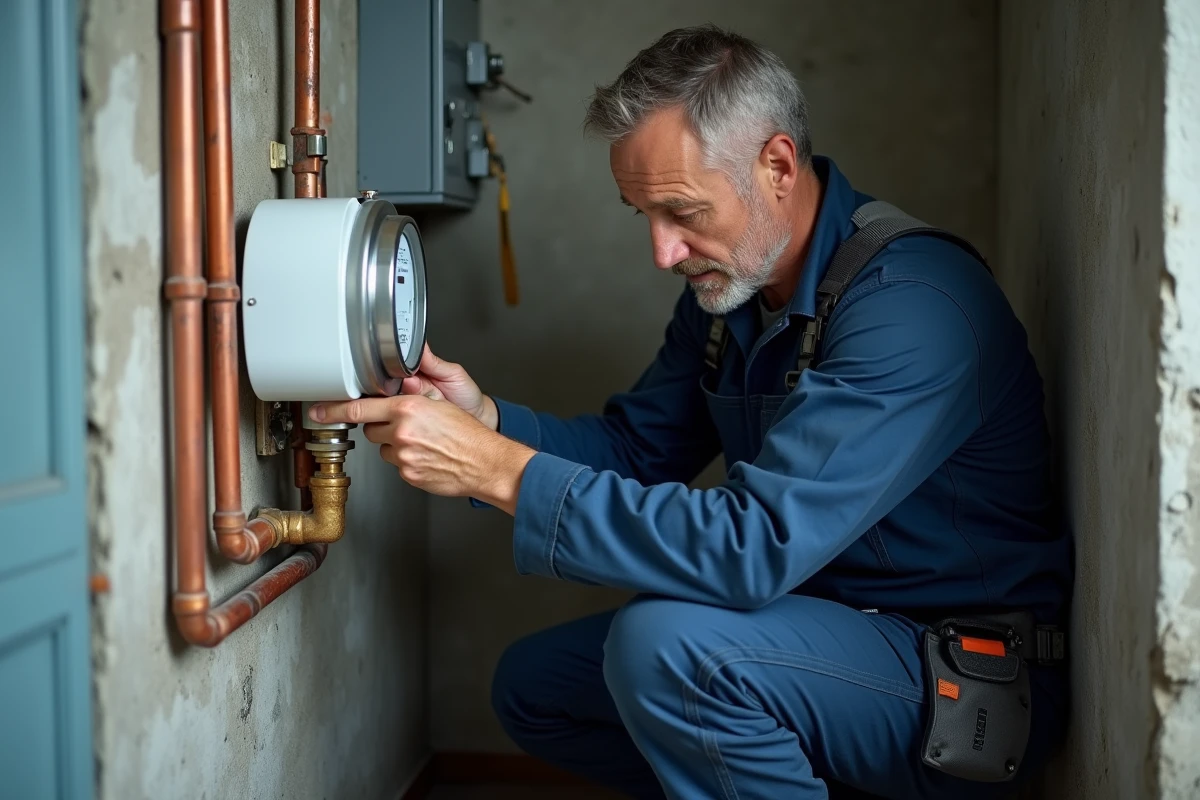
In a collective building, the main meter belongs to the co-ownership. The water subscription is often managed by the property manager, and the occupants do not have an individual contract unless there are sub-meters present. Physically moving a meter located in a basement requires the agreement of the co-owners’ association, not just that of the local manager.
The problem is twofold. First, accessing the meter to read the indices sometimes requires the presence of a caretaker or a co-owner. Secondly, if you want the meter to be repositioned (for example, in an external pit on public land), the excavation and connection work is the responsibility of the requester, and its feasibility depends on the co-ownership plan.
A co-owner who wishes to individualize their connection must check with their local manager if this option exists, and then obtain a vote at the general assembly. Field feedback varies on acceptance times, which can range from a few weeks to several months depending on the responsiveness of the property manager.
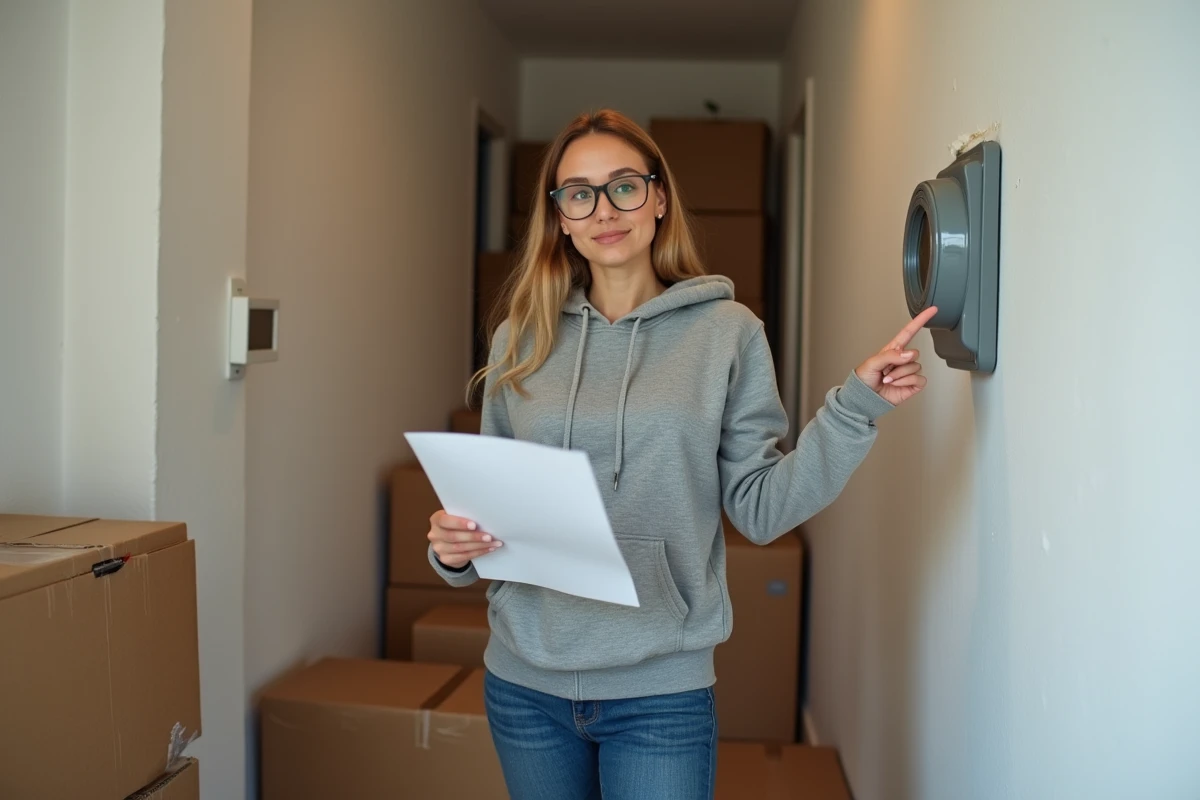
Even before starting the procedure, it is useful to gather information on the steps to move a water meter during a relocation, particularly to identify the right contact person according to your municipality.
Local water manager: identify the right contact before making any request
Unlike electricity or gas, there is no centralized national directory for drinking water. Each municipality delegates management to a different operator (Veolia, Suez, Saur, municipal authority, inter-municipal union). The first reflex is therefore to contact the town hall of the new residence to obtain the name and contact details of the manager.
The meter number and the exact address of the residence are the two pieces of information that any manager will ask for as a priority. Without them, no contract opening can be processed.
The documents generally required to subscribe to a service:
- The complete address of the residence, including building, stairwell, and floor in collective housing
- The meter number (listed on the dial or on the previous bill if you have it)
- The indices read on the day of your entry into the premises, ideally with a time-stamped photo
- A bank account details form for setting up direct debit, required by most operators
Regarding the termination of the old residence, the reading of the indices on the day of departure serves as proof for the final billing. If the meter is indoors or difficult to access, an appointment with a technician will be necessary to verify the indices and, if necessary, proceed with the physical closure of the meter.
Physical relocation of the water meter: cost, feasibility, and unmarked plot
Moving a meter does not always simply mean transferring a contract. Sometimes, the meter itself must be repositioned, for example, when a house is renovated, access is modified, or a plot is not yet marked by a surveyor.
When the land is not yet marked
On a plot undergoing division or whose boundaries are not definitively fixed, the manager generally refuses to install a permanent meter. The official marking of the plot conditions the installation of the meter pit on public land or at the property boundary. Without this marking, the operator cannot determine the connection point.
In this case, the temporary solution sometimes involves obtaining a provisional connection via the existing network until the surveyor finalizes the marking. The available data does not allow for a single price for this operation, as it varies greatly from one municipality to another.
The cost depends on the field intervention
The physical relocation of a meter generally involves excavation, connection, and installation of a new pit costs. These costs are separate from the fees for opening or closing a subscription. With some operators like Saur, the cost varies depending on whether a technician is dispatched or not, which shows that the final bill directly depends on the accessibility of the meter.
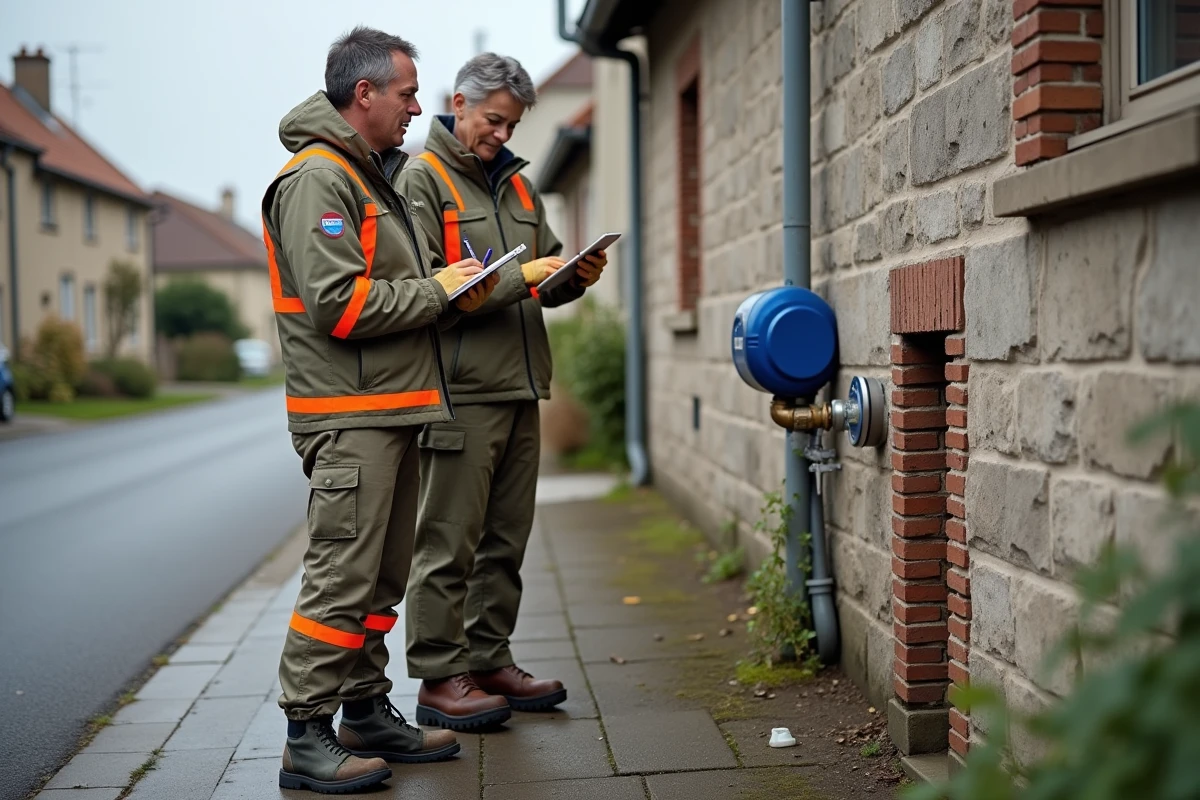
Factors that influence the amount:
- The distance between the old location and the desired new location
- The nature of the soil (earth, concrete, asphalt) and the depth of the pipeline
- The need to cut off the supply on public land, which sometimes requires a municipal team
Anticipate the timeline: when to start the water procedures before a move
Most managers recommend contacting them at least fifteen days before the move-in date to open the meter. For termination, the same timeframe allows for scheduling a technician appointment if the meter is indoors.
In practice, this fifteen-day timeframe is rarely sufficient when a physical relocation of the meter is necessary. Excavation and connection work depend on the availability of the technical teams of the local manager, who may be overwhelmed during the summer or year-end periods.
If your meter is in an atypical configuration (basement without direct access, co-ownership without sub-meters, unmarked land), allow at least a month of leeway between your first contact and the desired service start date. This timeframe covers both administrative exchanges with the manager and possible coordination with the property manager or surveyor.
Moving a water meter during a relocation remains a local procedure by nature. Each situation depends on the municipality’s manager, the physical location of the meter, and the state of the land. Checking these three parameters before any request is the most reliable way to avoid moving in without running water.